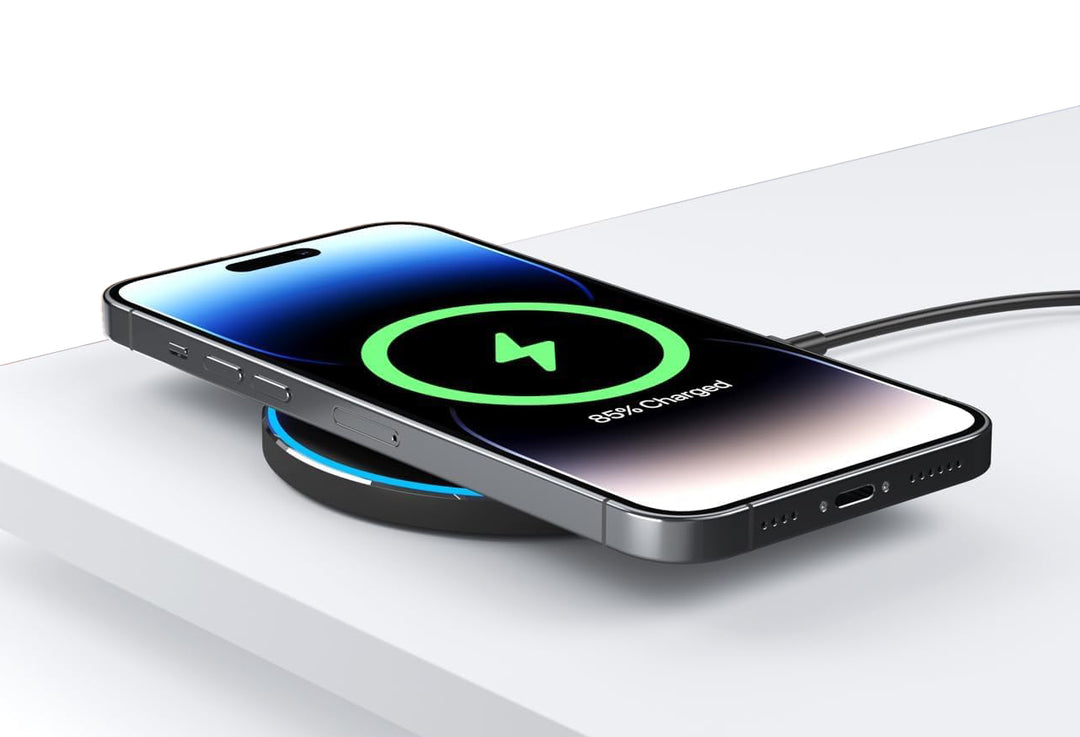
How Wireless Power Works: A Simple Guide to the Technology Behind It
Wireless power technology is a rapidly evolving field that allows for the transmission of electrical energy without the need for physical connectors. The core principle behind this innovation is electromagnetic induction, where an alternating current in a primary coil generates a magnetic field that induces a current in a secondary coil. This process allows devices to receive power wirelessly, making it more convenient and efficient. Common applications of this technology include smartphone charging pads and electric vehicle charging stations, demonstrating how wireless power is transforming everyday devices.
Another method of wireless power transfer is resonant inductive coupling, which enhances efficiency over longer distances. This approach relies on two coils tuned to the same frequency, enabling them to transfer energy effectively. Key advantages of wireless power technology include eliminating the wear and tear of traditional charging ports, improving user convenience, and promoting a more organized charging environment. As research and development continue, we can expect wireless power solutions to become increasingly widespread, further integrating into our daily lives.
Counter-Strike is a popular first-person shooter game that has captivated millions of players worldwide. It focuses on team-based gameplay where players can choose to be part of either the terrorist or counter-terrorist team. As the game's popularity grows, so does the demand for accessories, including protective cases for gaming gear. If you're looking for the best options, check out the Top 10 airpods cases available in the market.
The Impact of Wireless Charging on Consumer Electronics: What's Next?
The rise of wireless charging technology has significantly transformed the landscape of consumer electronics. With the convenience of simply placing a device on a charging pad, many users have started to prioritize products that offer this feature. According to industry reports, the adoption rate of wireless charging solutions has soared, driven by widespread compatibility across various devices, including smartphones, tablets, and wearables. This shift not only enhances user experience but also fosters a new design paradigm for manufacturers, prompting them to rethink how devices can integrate seamless power solutions.
Looking ahead, the future of wireless charging is poised for remarkable advancements. Innovations such as resonant inductive charging and the development of charging mats that can power multiple devices simultaneously are on the horizon. Furthermore, as the demand for sustainability grows, manufacturers are likely to enhance energy efficiency in wireless charging systems. There is also potential for integration into furniture and public spaces, making charging more accessible than ever. As consumers continue to navigate an increasingly connected world, wireless charging will undoubtedly play a pivotal role in shaping the evolution of consumer electronics.
Is Wireless Power Safe? Debunking Myths and Addressing Concerns
As technology advances, the discussion around wireless power and its implications for safety has grown increasingly pertinent. Many individuals harbor concerns regarding potential health risks associated with the use of wireless charging systems. However, multiple studies conducted by reputable institutions have shown that the levels of electromagnetic fields (EMF) emitted by wireless power transfer systems are well below the limits established by international safety standards. Moreover, as Forbes highlights, the energy density of these systems diminishes significantly with distance, further mitigating exposure to harmful levels.
Additionally, myths surrounding wireless power often stem from misunderstandings about technology and its applications. For example, some fear that widespread adoption of wireless power technology could lead to significant radiation exposure akin to mobile phones. In reality, the energy used for wireless charging is specifically designed to be safe and is heavily regulated. According to electrical engineer and expert Sarah Miller, 'the safety mechanisms in wireless charging devices ensure that they only operate when necessary, minimizing any potential risk.' Ultimately, embracing this innovative technology can lead to convenience without compromising safety.