Essential Ergonomic Principles for a Healthier Work Environment
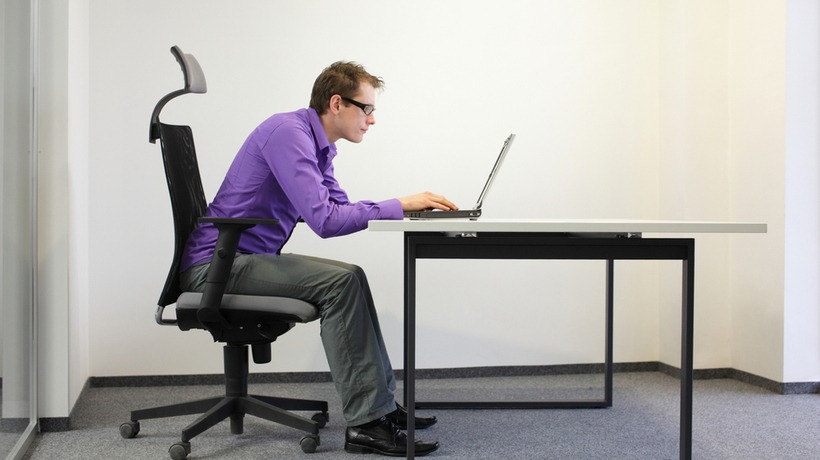
Creating a healthier work environment starts with understanding and implementing ergonomic principles. These principles focus on designing workplaces that fit the needs of employees, thereby reducing discomfort and increasing productivity. Some essential ergonomic practices include:
- Adjusting chair height to maintain feet flat on the ground.
- Positioning the computer screen at eye level to prevent neck strain.
- Taking regular breaks to stretch and reduce repetitive strain injuries.
Moreover, incorporating ergonomic tools can significantly enhance workplace comfort. Items like adjustable desks, ergonomic chairs, and keyboard trays help create a personalized workspace that accommodates individual body types and preferences. By investing in the right ergonomic equipment, companies not only foster a more healthy work environment but also boost employee morale and productivity. Remember, implementing these principles is not just a one-time effort but a continuous process that needs regular evaluation and adjustment.
If you're looking for the best way to enjoy your tablet hands-free, consider checking out the Top 10 Floor Tablet Stands. These stands offer a variety of features, including adjustable heights, sturdy designs, and compatibility with multiple tablet sizes. Whether you're using your tablet for reading, watching videos, or video conferencing, a quality floor stand can greatly enhance your experience.
How to Choose the Right Ergonomic Furniture for Your Workspace
Choosing the right ergonomic furniture for your workspace is essential for maintaining comfort and productivity. Start by evaluating your needs: consider your work tasks and the amount of time you spend sitting or standing. A good ergonomic chair should offer adjustable features such as seat height, lumbar support, and armrests. Ergonomic desks, especially those that are height-adjustable, can also contribute to a healthier working posture. Make sure to test different styles, as what works for one person may not work for another.
Additionally, think about the layout of your workspace. To optimize your comfort, keep frequently used items within easy reach. An organized workspace can help reduce physical strain. Consider adding accessories like keyboard trays and monitor risers to enhance your setup. Lastly, don't forget about the importance of good lighting; proper illumination can also prevent eye strain, creating a more ergonomic environment. Remember, investing in quality ergonomic furniture is investing in your health and productivity.
10 Tips for Creating an Ergonomic Office That Boosts Productivity
Creating an ergonomic office is essential for enhancing productivity and ensuring the comfort of those who work within it. Here are 10 tips that can make a significant difference:
- Chair Selection: Invest in a quality ergonomic chair that supports your back and promotes good posture.
- Desk Height: Adjust your desk to a height that allows your forearms to be parallel to the floor while typing.
- Monitor Positioning: Place your monitor at eye level, about an arm's length away, to reduce neck and eye strain.
- Keyboard and Mouse Placement: Keep your keyboard and mouse close together to minimize reaching and maintain a relaxed arm position.
- Lighting: Use adequate lighting to reduce eye strain; consider natural light when possible.
In addition to physical adjustments, consider your workspace layout and personal habits. Tip 6: Take regular breaks to stand up, stretch, and walk around, as this can prevent fatigue and enhance focus. Tip 7: Personalize your space with items that inspire you but keep it clutter-free to avoid distractions. Tip 8: Implement a standing desk option to alternate between sitting and standing throughout the day. Tip 9: Use ergonomic accessories such as wrist rests and footrests that can further improve your comfort levels. Finally, Tip 10: Regularly reassess your workspace to ensure it continues to meet your ergonomic needs as they may change over time.