5 Signs Your Office Chair is a Torture Device
In today's fast-paced work environment, comfort is key, yet many of us find ourselves sitting in office chairs that feel more like torture devices than supportive furniture. Here are 5 signs that your office chair might be causing you more harm than good:
- Pain and Discomfort: If you regularly experience back, neck, or shoulder pain after long hours of sitting, your chair might not be providing the necessary support.
- Constant Adjustments: A good office chair should fit you without constant tweaking. If you're always adjusting height or lumbar support, it's time for a change.
Additionally, 5 more signs that your office chair is a torture device include:
- Visible Wear and Tear: Cracks or worn cushions can signal a chair past its prime.
- Restricted Movement: If your chair lacks proper mobility or balance, it might be hindering your ability to work comfortably.
- Too Soft or Too Hard: The right balance is essential. A chair that's too soft may lack support, while one that's too hard can lead to discomfort.
Looking for the perfect way to enhance your workspace? Check out the Top 10 Adjustable Laptop Stands that can help improve your posture, increase airflow to your device, and optimize your overall productivity. These stands come in various designs and features, making it easier to find one that fits your needs.
The Science of Sitting: How to Choose an Ergonomic Chair
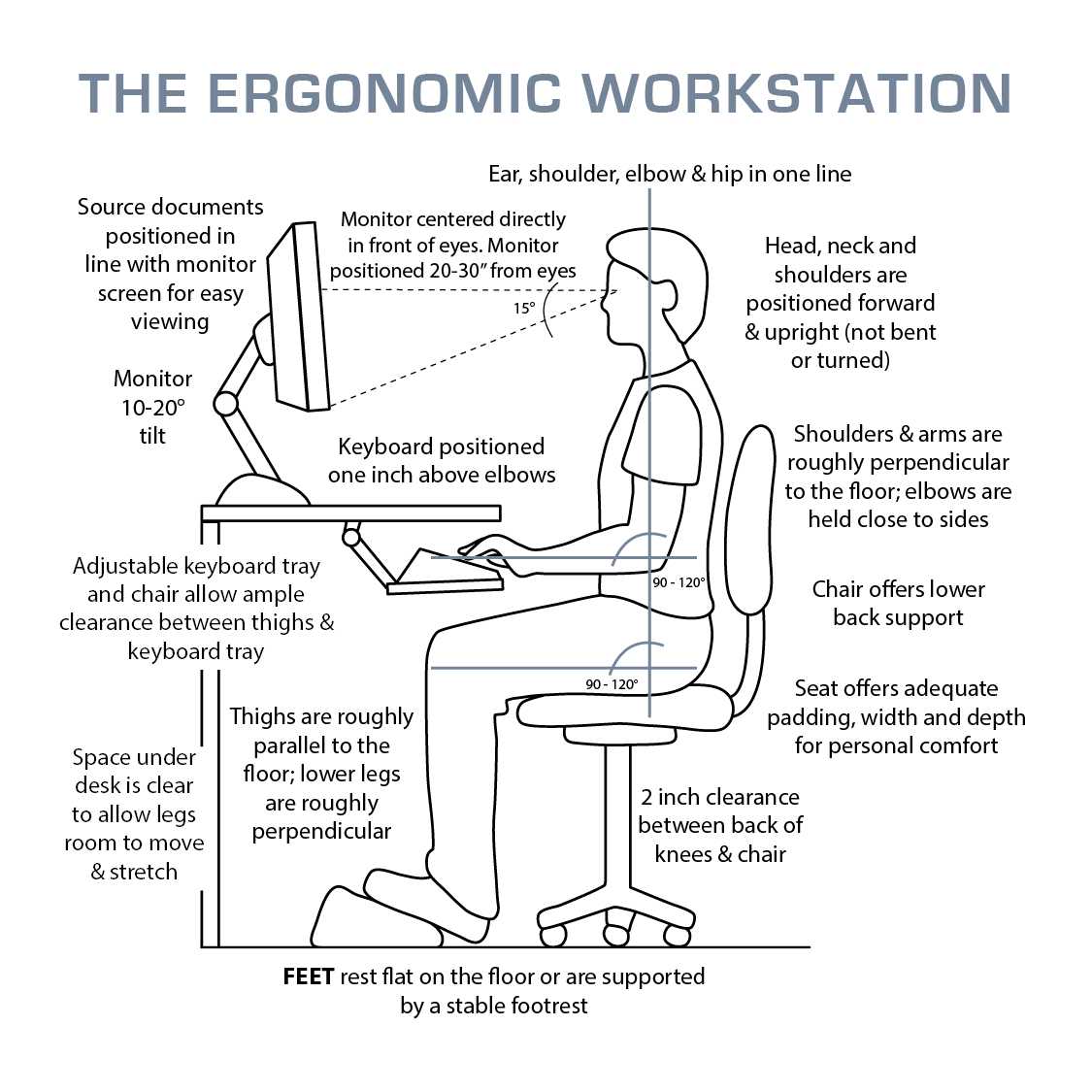
In today's fast-paced world, many of us spend hours sitting at desks, which can lead to discomfort and long-term health issues. The science of sitting emphasizes the importance of proper posture, which can significantly be influenced by the chair you choose. An ergonomic chair is designed to support the natural curves of your body, providing the right lumbar support to reduce strain on your spine and muscles. When selecting an ergonomic chair, consider features such as adjustable seat height, lumbar support, and armrests that enable you to maintain a neutral wrist position while typing.
To aid in your selection process, here's a quick checklist to follow when choosing an ergonomic chair:
- Adjustability: Ensure that the chair can be adjusted in height and depth to fit your body's dimensions.
- Material: Look for breathable materials that provide comfort during long hours of sitting.
- Mobility: Consider a chair with wheels that allow for easy movement without straining.
- Support: Choose a chair with good lower back support to help maintain proper posture.
Can Your Chair Affect Your Mood? Exploring the Mind-Body Connection
The relationship between our physical environment and mental well-being is complex and fascinating. One often-overlooked aspect is how your chair can significantly impact your mood and productivity. Research has shown that sitting in an uncomfortable or poorly designed chair can lead to increased levels of discomfort, which in turn may trigger feelings of irritability and stress. Conversely, a well-designed chair can promote better posture and comfort, contributing positively to your overall mood and focus. Consider how the aesthetics of your chair, including its color and style, might also influence your emotional state—certain colors can evoke calmness or energy, further highlighting the mind-body connection.
Moreover, creating a conducive workspace might involve more than just choosing the right chair. An ergonomic setup paired with intentional breaks can enhance your cognitive function and emotional health. For instance, taking brief periods to stretch or change your seating position can refresh your mind and reduce mental fatigue. To illustrate this further, here are a few tips on how to create a mood-enhancing workspace:
- Choose an ergonomic chair that provides support.
- Incorporate plants or artwork to create a calming atmosphere.
- Ensure your workspace is well-lit, utilizing natural light where possible.