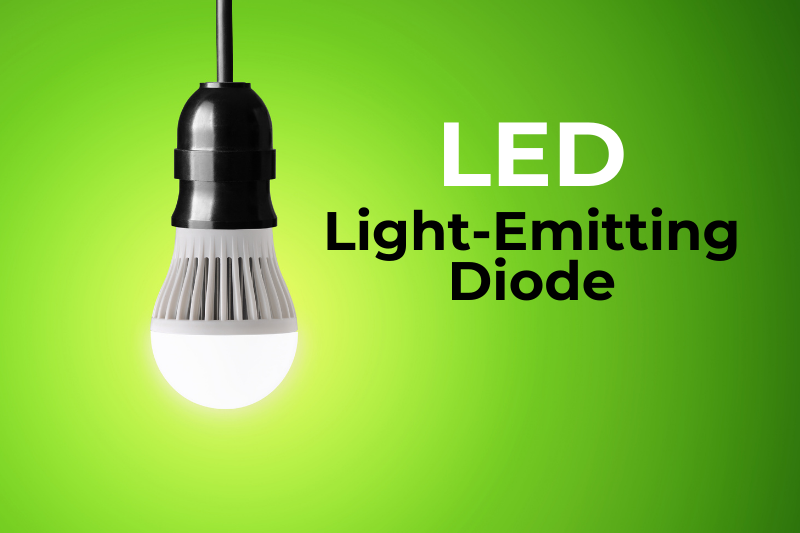
The Science Behind LED Technology: How It Works
LED technology, or Light Emitting Diode technology, is grounded in the principles of electroluminescence, a phenomenon where certain materials emit light when an electric current passes through them. At the core of an LED is a semiconductor chip, often made from materials like gallium arsenide or gallium nitride. When voltage is applied, electrons move through the semiconductor material and recombine with electron holes, releasing energy in the form of photons. This process is what produces light, and the color of the emitted light depends on the energy band gap of the semiconductor material used.
Efficiency and longevity are two major advantages of LED technology over traditional incandescent bulbs. Unlike incandescent lights, which convert only about 10% of their energy into visible light while losing the rest as heat, LEDs can achieve efficiency rates of over 80%. This not only results in lower energy consumption but also contributes to a longer lifespan, often exceeding 25,000 hours. Therefore, as the demand for more sustainable and energy-efficient lighting solutions grows, understanding the science behind LEDs is crucial for both consumers and industries in their quest for innovation.
When looking for the perfect audio experience combined with visual excitement, the Top 10 Bluetooth Speakers with Lights offer an impressive selection. These speakers not only deliver high-quality sound but also feature stunning light displays that sync with your music. Whether you're hosting a party or enjoying a quiet night in, these speakers will elevate your listening experience.
The Environmental Impact of LEDs: A Sustainable Solution
Light Emitting Diodes, or LEDs, have revolutionized lighting solutions across the globe, significantly reducing energy consumption compared to traditional incandescent and fluorescent bulbs. According to research, LEDs use about 75% less energy than incandescent lighting and can last up to 25 times longer. This enhanced energy efficiency not only lowers electricity bills but also diminishes the demand for fossil fuel energy, ultimately contributing to a reduction in greenhouse gas emissions. By making the transition to LEDs, households and businesses alike play a crucial role in combating climate change and promoting a more sustainable future.
Beyond their impressive energy efficiency, LEDs also possess a lower environmental impact when it comes to disposal. Unlike traditional bulbs, which often contain hazardous materials like mercury, LEDs are free from such toxic substances, making them safer for the environment. Additionally, the longevity of LEDs reduces the frequency of bulb replacements, thus minimizing waste in landfills. As people become more aware of their ecological footprint, switching to LEDs has emerged as a practical and responsible choice for those seeking to embrace a sustainable lifestyle.
Are LEDs Really Worth the Investment? Here’s What You Need to Know
When considering whether LEDs are truly worth the investment, it's essential to evaluate their long-term benefits over traditional lighting options. While the initial cost of LED bulbs may be higher, they typically last up to 25,000 hours or more, significantly reducing the need for frequent replacements. Additionally, LEDs consume considerably less energy—up to 80% less than incandescent bulbs—leading to lower electricity bills. Over time, these savings can far outweigh the initial expenditure, making LEDs a financially sound choice.
Moreover, the environmental impact of switching to LEDs cannot be overlooked. By using less energy, they contribute to a decrease in greenhouse gas emissions and help reduce the carbon footprint of households and businesses alike. Many countries are now encouraging the adoption of LED technology through incentives and rebates, further enhancing their appeal. In summary, investing in LEDs is not just a cost-saving decision; it's a step forward towards sustainability and environmental responsibility.