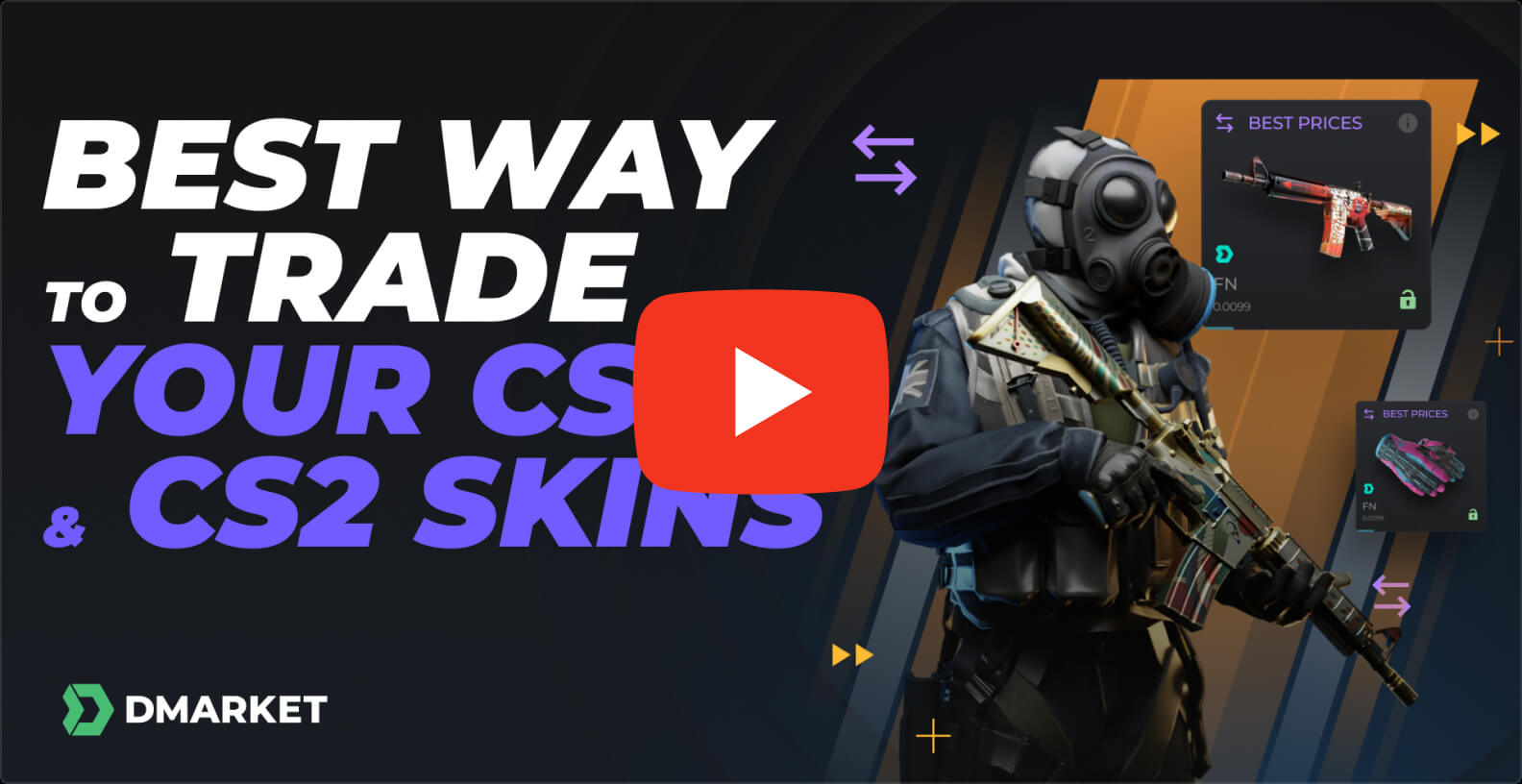
The Rise of CS2 Skin Trading: A Deep Dive into the Digital Marketplace
The advent of CS2 skin trading has revolutionized the way players interact with their in-game assets. Skins not only enhance visual appeal but also represent a substantial investment for many gamers. The digital marketplace is flourishing as players seek to acquire rare and coveted designs that can fetch high prices. Factors driving this trend include the increasing popularity of CS2 and the growing acceptance of digital currencies for transactions. As the market expands, so too does the competitive nature of trading, creating a vibrant environment where players can buy, sell, and showcase their collections.
At the heart of the CS2 skin trading phenomenon is the concept of ownership and value in the virtual world. Unlike traditional gaming, where the purchase of an item often leads to a static experience, skins in CS2 can appreciate over time. As demand surges for limited-edition skins, traders are increasingly honing their skills to navigate this complex market. This has led to strategies that involve analyzing market trends and predicting future values, akin to stock market trading. With platforms dedicated to facilitating these transactions, the rise of CS2 skin trading represents not just a hobby but a legitimate investment opportunity for savvy gamers.
Counter-Strike is a popular first-person shooter game that has captivated gamers worldwide with its competitive gameplay and strategic depth. Players can engage in thrilling matches where teams must complete objectives or eliminate the opposing team. A recent highlight in the competitive scene was the showdown between Faze vs Red, showcasing intense skill and teamwork.
How to Navigate the CS2 Skin Trading Economy: Tips and Tricks
Navigating the CS2 skin trading economy can be a daunting task for both newcomers and seasoned players alike. With a vast array of skins available for trade, understanding market dynamics is crucial. One of the best ways to start is by familiarizing yourself with skin values. Use reputable websites that track skin prices, such as CS:GO Float or Skin Baron, to get a sense of what each skin is worth. Additionally, staying updated on trends within the community can help you identify potential price fluctuations and profitable trading opportunities.
When it comes to trading skins, patience and strategy are key. Rather than jumping at every trade offer, take the time to evaluate if the exchange is beneficial for your inventory. Here are some tips to enhance your trading experience:
- Join trading communities on platforms like Discord to connect with other traders.
- Be cautious of scams; always verify the legitimacy of the trade before accepting.
- Consider using trade-up contracts to potentially obtain higher-value skins.
Is CS2 Skin Trading the Future of Digital Collectibles?
The rise of digital collectibles has revolutionized the way we perceive ownership in the virtual world, and CS2 skin trading stands at the forefront of this transformation. As players invest in unique skins, the demand for these digital assets grows exponentially. Counter-Strike 2 (CS2) has leveraged this trend by enabling a marketplace where users can seamlessly buy, sell, and trade skins, creating a vibrant ecosystem. This not only enhances the gaming experience but also fosters a sense of community among players who connect over their prized possessions.
However, the future of CS2 skin trading as a pillar of digital collectibles raises important questions surrounding value, authenticity, and regulation. Just as traditional collectibles like stamps or trading cards have endured, digital skins also carry intrinsic value determined by rarity and demand. Yet, as the market grows, so does the risk of fraud and exploitation. For CS2 skin trading to flourish, ensuring secure transactions and fostering trust within the community will be vital. The intersection of gaming and digital collectibles seems promising, but navigating the complexities will be critical to shaping a sustainable future.