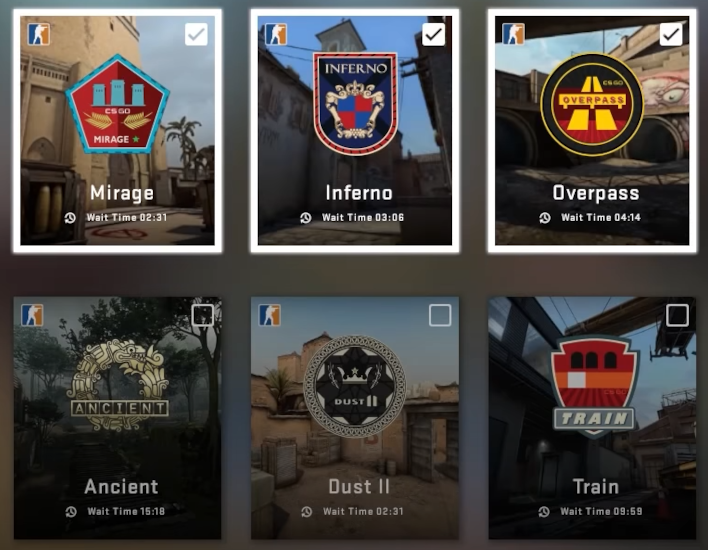
The Ultimate Guide to CSGO Map Veto Strategies: Outmaneuvering Your Opponents
In the competitive landscape of CSGO, mastering the art of map veto strategies can be the deciding factor between victory and defeat. Teams often find themselves at a crossroads during the veto process, where choosing the right maps can play a crucial role in exploiting the weaknesses of their opponents. One effective strategy is to thoroughly analyze your rival's map pool and identify their strengths and weaknesses. For instance, if your opponents excel in close-quarters combat, it may be wise to veto maps that favor such engagements, forcing them to compete on more open terrain where you have the upper hand.
Additionally, understanding your own team's preferred maps is essential. Create a balanced veto strategy that highlights your strengths while minimizing the chances of your opponents capitalizing on theirs. Consider employing the two-phase veto method, where each team eliminates maps in sequence until a final selection is made. This can lead to more tactical selections that can disorient your opponents. Remember, effective communication and quick decision-making during the veto process will not only showcase your team’s synergy but also provide a psychological edge that can outmaneuver your opponents before the match begins.
Counter-Strike is a popular multiplayer first-person shooter that has captivated players for decades. The game focuses on team-based gameplay where players can choose to play as terrorists or counter-terrorists. To enhance your gameplay experience, you can Unlock CS2 Premier Mode, which offers new features and competitive matchmaking.
Common Mistakes in Map Vetoing: What to Avoid for Success
When it comes to map vetoing, many players make common mistakes that can hinder their success in competitive gameplay. One of the most prevalent errors is failing to understand each map's strengths and weaknesses. Players often jump into vetoing without considering team compositions and map advantages. Instead, take a moment to analyze your team's preferred playstyle and the potential enemy strategies to make informed decisions. Additionally, neglecting to communicate with teammates during the veto process can lead to disjointed choices that weaken your overall strategy.
Another frequent mistake is not adapting to the current meta. Map vetoing should be a dynamic process, influenced by recent trends and matchmaking reports. Ignoring these trends can result in choosing maps that are less favorable or outside your team's expertise. Make sure to stay updated on map changes and community insights to ensure you're not left behind. Lastly, always remember to practice your chosen maps with your team, as familiarity can significantly boost your performance and confidence in critical matches.
How to Analyze Your Opponent's Map Preferences: A Tactical Approach
Analyzing your opponent's map preferences is crucial for developing a winning strategy in competitive gaming. Start by gathering data from previous matches, paying attention to the maps where your opponent performed best. Use tools like match history trackers or third-party websites that offer detailed analytics on player performance. By identifying patterns in their map choices, you’ll gain insight into their strengths and weaknesses. Understanding these preferences allows you to tailor your approach, countering specific strategies and optimizing your own map selections.
Once you have an understanding of your opponent's preferred maps, it's essential to dive deeper into their playstyle on each map. Notice if they favor certain tactics, like ambushes or long-range engagements, depending on the terrain and layout. Create a checklist to categorize the maps based on their strengths—for example, use an ordered list:
- High-ground advantage
- Close-quarters combat
- Long sightlines