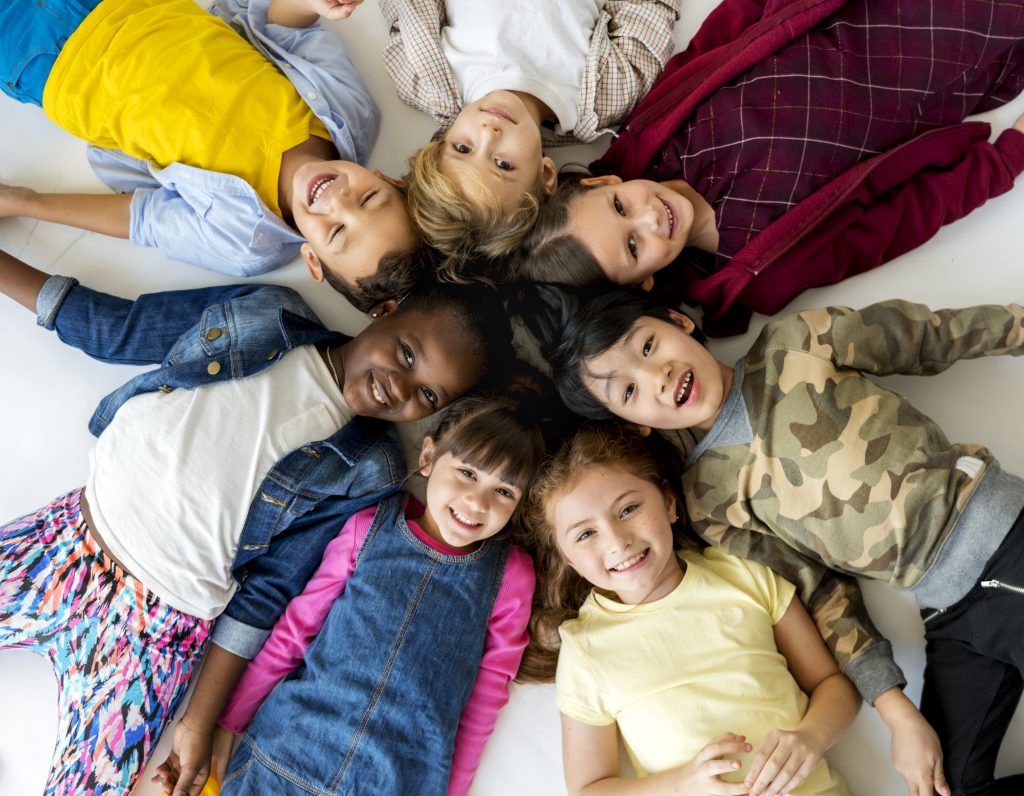
The Wisdom of Youth: Lessons Kids Can Teach Us About Life Skills
The wisdom of youth often surprises us, revealing profound lessons about life skills that adults can overlook. Children possess an innate curiosity and creativity that drives them to explore the world around them without fear of failure. For instance, when a child approaches a new activity, they embrace the process, learning through trial and error. This fearlessness allows them to cultivate essential life skills such as problem-solving and adaptability, qualities that are vital for success in adulthood. Instead of shying away from challenges, they dive in, showing us the importance of maintaining a growth mindset.
Moreover, kids often demonstrate remarkable interpersonal skills, teaching us about the value of empathy and collaboration. They naturally engage in teamwork through games and group activities, learning to communicate effectively and resolve conflicts amicably. Notably, their straightforwardness can remind us of the power of honesty and openness in our relationships. As we observe their interactions, we are prompted to reflect on how these fundamental life skills can enrich our own experiences and connections. In essence, the lessons we glean from youth can guide us toward a more fulfilling and connected life.
Counter-Strike is a popular multiplayer first-person shooter game that has captivated millions of players worldwide. It pits teams of terrorists against counter-terrorists in a variety of game modes. Players can enhance their gaming experience with various tools and accessories, much like how you can explore the Top 10 Tablet Accessories for Kids to improve their tablet use.
Reversing Roles: Why Our Children Should Be the Teachers of Life Skills
Reversing roles in the parent-child dynamic can offer profound insights and benefits, especially when it comes to teaching essential life skills. Many parents often see themselves as the sole providers of knowledge, dismissing the idea that their children can also be educators. However, children possess unique perspectives shaped by their experiences in a fast-evolving world. For instance, lessons in adaptability, creativity, and technological proficiency are often best imparted by younger generations who navigate these challenges daily. By embracing this reversal, parents can foster an environment of mutual learning that not only enhances their children's self-esteem but also builds a deeper bond within the family.
Furthermore, when children take on the role of teachers, it encourages them to develop crucial life skills such as communication, **problem-solving**, and **critical thinking**. They learn to articulate their thoughts and ideas clearly, promoting assertiveness and confidence in their abilities. Parents can facilitate this role reversal through activities such as family projects, where children lead discussions on topics they are passionate about, or by encouraging them to teach their parents about new technologies. This innovative approach ensures that life lessons are reciprocal, nurturing a generation well-equipped to handle the complexities of modern life while enriching the relationships with their parents through shared knowledge.
What Can Adults Learn from Kids? The Valuable Life Skills They Have to Offer
When it comes to life skills, adults can often find inspiration in the unfiltered perspective of children. Kids possess an innate sense of curiosity, which encourages them to explore their surroundings and ask probing questions. This thirst for knowledge can remind adults of the importance of maintaining a growth mindset; embracing learning opportunities instead of shying away from them. By observing how children willingly engage with the world around them, adults can rekindle their own sense of adventure and adaptability, essential traits in our ever-evolving lives.
Moreover, children's ability to form genuine connections is a powerful lesson for adults. Unlike the often-judgmental nature of adult interactions, kids approach friendships with sincerity and openness. They show us how to value communication and emotional expression, reminding us that vulnerability can be a strength rather than a weakness. Embracing this authenticity can lead to healthier relationships, both personal and professional, as adults learn to connect on a deeper level by prioritizing empathy and understanding.