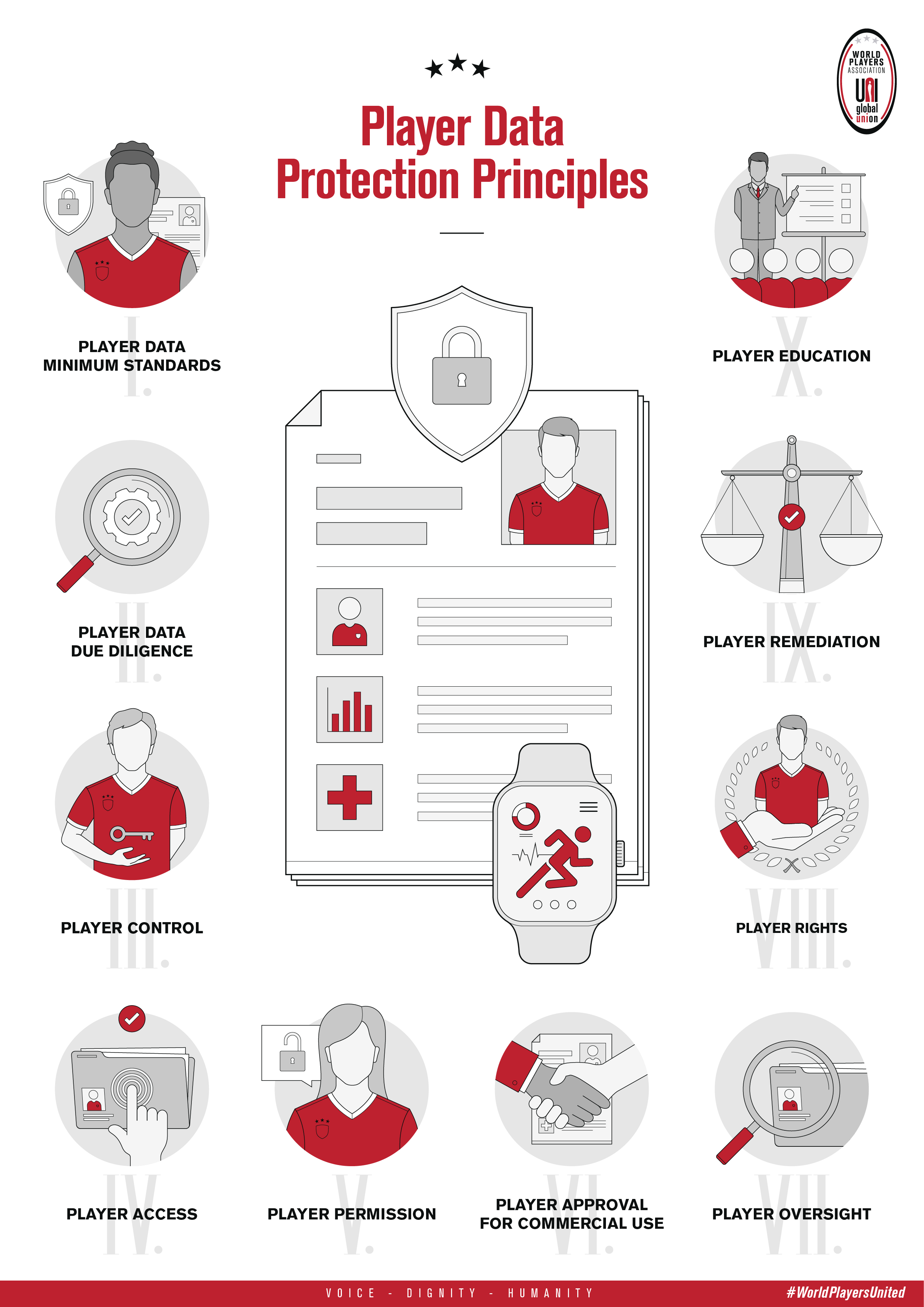
Understanding Decentralized Player Protection: How Blockchain is Transforming Gaming Security
Decentralized player protection is revolutionizing the gaming industry by leveraging the power of blockchain technology. Unlike traditional gaming platforms where player data is often centralized and vulnerable to breaches, blockchain offers a secure, transparent environment. Every transaction, whether it's a in-game purchase or asset exchange, is recorded on an immutable ledger, making it nearly impossible for hackers to tamper with. This increased security ensures that players' assets and personal information are safeguarded, enhancing trust in gaming ecosystems.
Moreover, the implementation of smart contracts in decentralized gaming platforms provides an additional layer of protection. These self-executing contracts automate transactions and enforce rules without the need for intermediaries. For players, this means faster payouts and automated governance, which minimizes the risk of fraud. As the gaming industry continues to embrace blockchain, understanding these innovations will be crucial for both developers and players looking to navigate the new landscape of secure online gaming.
Counter-Strike is a popular first-person shooter game that pits two teams against each other: terrorists and counter-terrorists. Players can enlist various strategies to complete objectives such as defusing bombs or rescuing hostages. For those looking to enhance their gaming experience, you can check out a fantastic stake promo code that offers exciting bonuses.
Top Benefits of Decentralized Player Protection for Gamers and Developers
The emergence of decentralized player protection has transformed the gaming industry, offering significant benefits for both gamers and developers. For players, it ensures enhanced security of their in-game assets and personal information by utilizing blockchain technology, which minimizes the risk of hacking and fraud. With a decentralized system, players can also maintain true ownership of their digital assets, allowing them to trade or sell items without the fear of confiscation by centralized platforms. This shift towards greater player autonomy fosters trust and encourages more significant engagement within gaming communities.
From a developer's perspective, adopting decentralized player protection leads to increased transparency and trustworthiness within their games. By implementing blockchain-driven systems, developers can provide verifiable proof of fairness and integrity in gameplay mechanics, which is essential in an industry plagued by allegations of cheating and transparency issues. Additionally, decentralized platforms often lead to lower operational costs associated with centralized servers and payment processing, allowing developers to allocate more resources towards enhancing the gaming experience and innovating new features.
What You Need to Know About Decentralized Security in Online Gaming
In recent years, decentralized security has become a pivotal aspect of online gaming, aiming to enhance user experience and protect players' assets. Unlike traditional security systems that rely on centralized servers, decentralized security utilizes blockchain technology to ensure transparency and immutability. This shift not only safeguards players' in-game items from hacks and fraud but also empowers gamers by giving them ownership of their digital assets. When you understand how decentralized security functions, you can make informed choices regarding which games to play and how to protect your online presence.
To delve deeper into the concept of decentralized security, consider the following key points:
- Ownership: Players can truly own their in-game assets, which can be traded or sold without reliance on game developers.
- Transparency: All transactions are recorded on the blockchain, enhancing trust among players.
- Resilience: Decentralized systems are generally harder to attack since there is no single point of failure, making it more challenging for hackers to compromise player data.