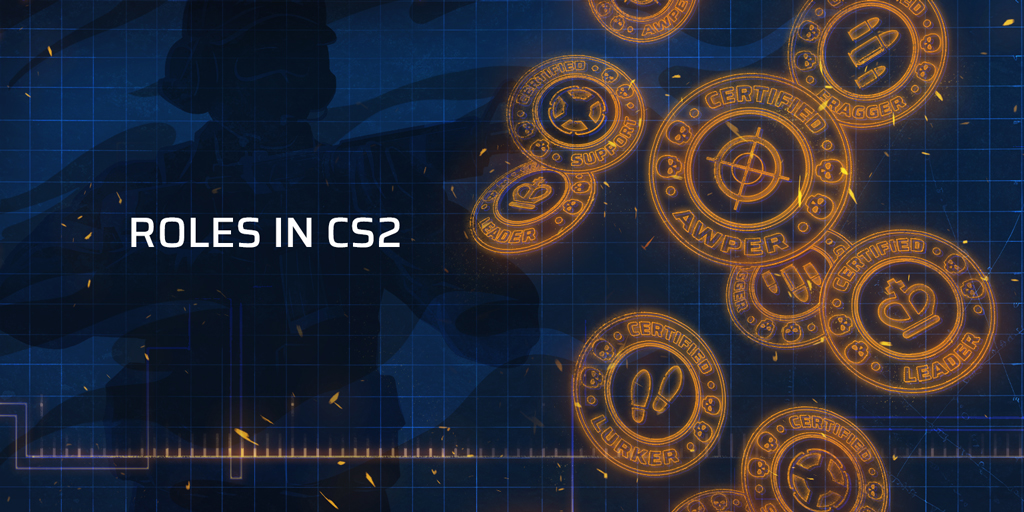
Strategic Mindset: How to Approach IGLing in CS2 Like a Military General
In the high-stakes world of CS2, approaching the role of In-Game Leader (IGL) requires a strategic mindset akin to that of a military general. Just as generals meticulously plan their campaigns, an effective IGL must analyze their team's strengths and weaknesses while anticipating the enemy's moves. To excel in this role, consider the following strategies:
- Pre-Match Analysis: Study potential opponents to understand their playstyles, strengths, and weaknesses.
- Role Assignment: Allocate team roles based on individual player strengths, similar to how a general deploys troops in battle.
- Continuous Adaptation: Remain flexible and adjust tactics in real-time, just as a military leader would change their strategy based on enemy movements.
Additionally, it's essential to foster a strong team dynamic. Communication is key – just as generals use clear commands to direct their forces, an IGL must convey plans and adjustments effectively. Here are vital points to keep in mind:
- Encourage Open Dialogue: Create an environment where team members feel comfortable discussing strategies and providing feedback.
- Establish Clear Objectives: Ensure that every player knows the mission for each round, translating strategies into actionable objectives.
- Review and Reflect: After matches, conduct reviews to analyze what worked and what didn’t, much like a general assesses the outcomes of a battle to improve future tactics.
Counter-Strike, a highly popular first-person shooter franchise, has captivated gamers for decades with its tactical gameplay and team-based mechanics. One of the latest iterations, CS2 Case Battles, introduces exciting new features and challenges for players to engage in. Teams compete against each other, strategizing and executing plans to achieve victory in intense matches.
Mastering Communication: Key Tactics for Effective In-Game Leadership
Effective in-game leadership hinges on strong communication skills. Mastering communication involves not only clearly conveying strategies but also actively listening to team members. To foster an environment where ideas can flow freely, consider implementing structured communication tactics such as:
- Regular Strategy Meetings: Set aside time before matches to discuss tactics, roles, and objectives.
- Feedback Loops: Encourage team members to provide constructive feedback after games, allowing for continuous improvement.
- Non-verbal Cues: Develop unique signals for quick, silent communication during high-pressure situations.
Moreover, the tone and delivery of your messages are crucial. A positive and assertive demeanor can inspire confidence and motivate your team. Mastering communication also means adapting your style to fit the needs of your team. Here are some practical tips:
- Be Concise: Use clear and direct language to reduce misunderstanding.
- Establish Trust: Create an atmosphere where team members feel safe to express their thoughts and feelings.
- Practice Empathy: Recognize and validate the emotional states of your team during intense moments.
Evaluating Your Team: What Makes a Great CS2 IGL and How to Develop These Skills
In the fast-paced world of competitive gaming, particularly in Counter-Strike 2 (CS2), the role of an in-game leader (IGL) is crucial for the success of a team. A great CS2 IGL not only possesses a deep understanding of game mechanics and map layouts but also excels in communication, strategy planning, and adaptability. To evaluate your team's performance effectively, consider these key attributes of a successful IGL: decision-making under pressure, clear and concise communication, and the ability to read opponents. Developing these skills can lead to better teamwork and improved overall performance in matches.
To cultivate the essential skills of a great CS2 IGL, it’s important to incorporate regular practice and self-assessment exercises. Start with team drills that focus on coordination and strategy execution, followed by debrief sessions to evaluate what worked and what didn’t. Role-playing scenarios against different opponents can also sharpen your tactical responses. Additionally, consider investing time in watching professional games and analyzing the strategies employed by top IGLs, as this can provide invaluable insights into successful leadership techniques in the competitive landscape of CS2.