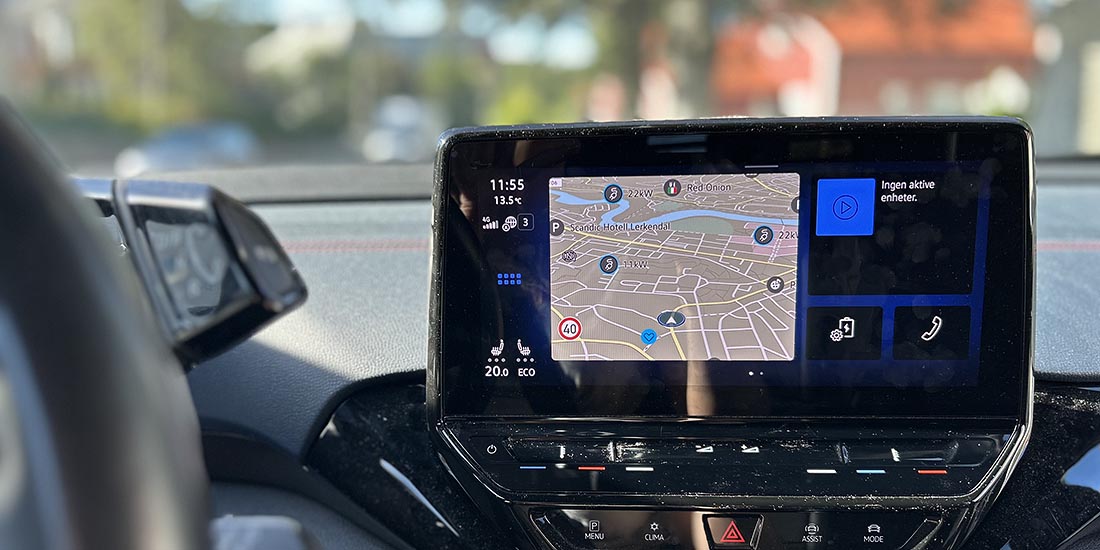
How GPS Technology Enhances Your Daily Travels
In today’s fast-paced world, GPS technology has redefined how we navigate our daily travels. Gone are the days of relying solely on paper maps or asking for directions. With the touch of a button, GPS provides real-time updates on traffic conditions, ensuring that you can avoid delays and reach your destination faster. This technology not only helps in finding the quickest routes but also integrates essential features such as points of interest, gas stations, and restaurants, making each trip more efficient and enjoyable.
Moreover, GPS technology promotes safety and security during travels. Many modern vehicles are equipped with built-in GPS systems that allow for tracking in case of theft or emergencies. Additionally, apps that utilize GPS can notify you of potential hazards or accidents on your route, enabling you to make informed decisions. Whether you’re commuting to work, embarking on a road trip, or exploring a new city, GPS technology enhances your experience by providing peace of mind and convenience.
Counter-Strike is a popular first-person shooter game that has captivated millions of gamers worldwide. The game pits two teams against each other: terrorists and counter-terrorists, each with unique objectives. As players improve their skills and strategies, they often explore various tools and technologies, such as “Top 10 Alternatives to Bluetooth Trackers” to enhance their gaming experience.
5 Surprising Ways GPS Can Improve Your Adventure Experience
When embarking on your next outdoor adventure, you might think of GPS as just a tool for navigation. However, its capabilities extend far beyond that. GPS technology can enhance your experience in ways you never thought possible. For example, tracking your route not only helps you find your way back but also allows you to revisit your favorite paths in the future. Additionally, integrating GPS with your mobile device can enable you to share your journey with friends and family in real-time, enhancing the social aspect of your adventure.
Moreover, many GPS applications come equipped with features that allow you to discover off-the-beaten-path locations. This can include hidden trails, scenic viewpoints, and even local attractions that might not be well-documented in guidebooks. Imagine using your GPS to uncover surprising gems that enhance your trip. Additionally, leveraging GPS-enabled devices can provide you with essential weather updates and alerts, ensuring that you're well-prepared for any sudden changes during your trek. With these tools at your disposal, you're bound to create unforgettable experiences.
What You Need to Know About GPS Accuracy and Reliability
GPS accuracy refers to how close the reported location of a device is to its actual position on the Earth. Several factors influence this accuracy, including satellite positioning, atmospheric conditions, and the type of GPS receiver used. Typically, standard GPS devices can achieve an accuracy within 5 to 10 meters, but advanced systems, like Real-Time Kinematic (RTK) networks, can reduce this to centimeters, making them ideal for applications that require precision, such as surveying and agriculture. To improve accuracy, users can also employ techniques such as differential GPS (DGPS), which utilizes ground-based reference stations to correct location data.
When considering GPS reliability, it's crucial to understand that while GPS technology is highly dependable, it is not infallible. Many factors can cause reception issues, including urban canyons (where tall buildings block satellite signals), dense foliage, or severe weather conditions. Additionally, interference from electronic devices can further compromise reliability. Users should be aware that although modern GPS systems often come with advanced features such as multipath mitigation and augmented systems, it is best practice to have a backup navigation method, especially when traveling in remote areas or when precise navigation is critical.