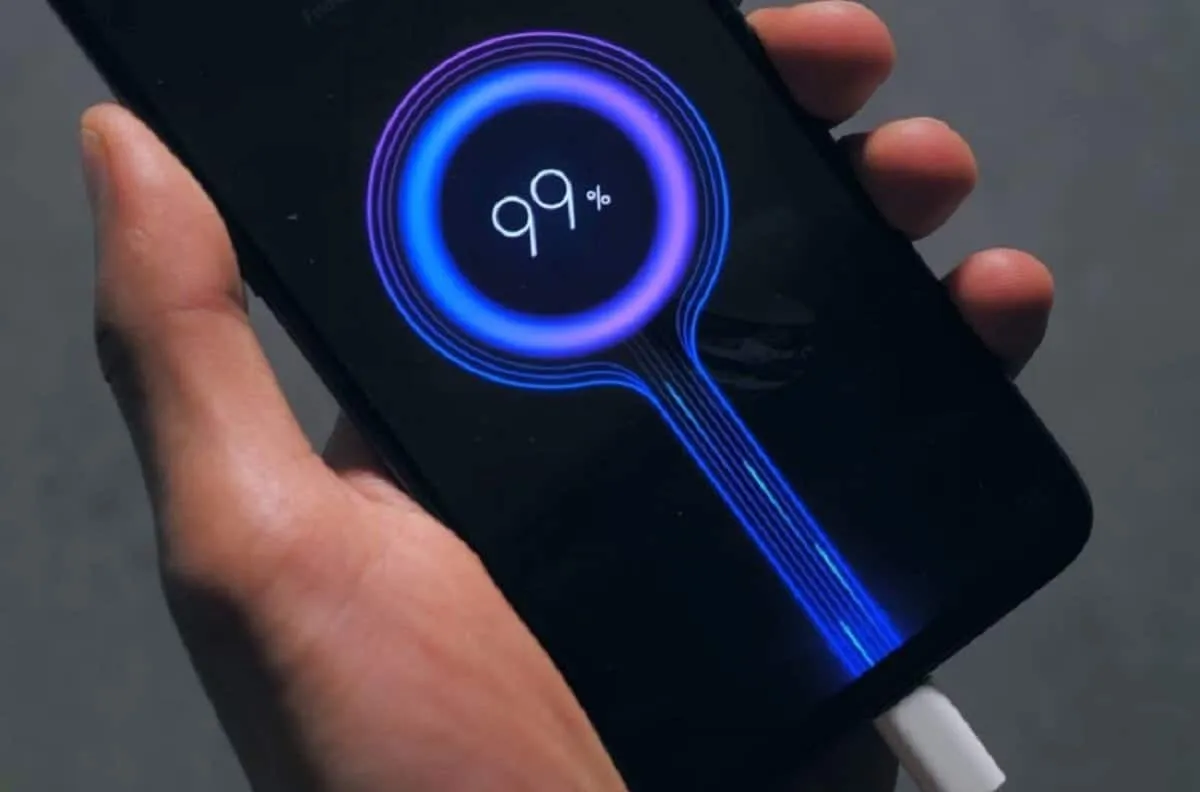
How Fast Charging Works: The Science Behind the Speed
Fast charging technology has revolutionized the way we power our devices, allowing users to recharge their smartphones, tablets, and laptops in a fraction of the time it would take with conventional chargers. At the heart of this technology lies a combination of enhanced voltage, current delivery, and intelligent communication between the device and the charger. Fast charging works by increasing the power output, which is typically measured in watts. For example, while standard chargers may supply 5 volts of power at 1 amp, a fast charger can push 9 volts at 2 amps or more, significantly reducing charging time. This intricate dance of volts and amps is facilitated by advanced battery management systems, ensuring safe and efficient energy transfer.
Moreover, the transition to fast charging stems from advancements in battery chemistry and materials. Modern lithium-ion batteries can handle higher charging currents without overheating, thereby minimizing the risk of damage. Additionally, smart technology embedded in both the charger and device enables communication protocols like USB Power Delivery (USB PD) or Qualcomm Quick Charge, which negotiate the optimal voltage and current levels for a given situation. This not only enhances charging speed but also prolongs the battery's lifespan by preventing overcharging and thermal stress. Understanding the science behind fast charging can empower consumers to make informed choices about their technology and usage habits.
For anyone looking to streamline their workspace, exploring the Top 10 Desk Charging Stations can be a game changer. These charging stations not only help organize multiple devices but also enhance the overall aesthetic of your desk. Whether you need a compact solution for your phone or a robust station for various gadgets, there's an option suited for every need.
Top 5 Fast Charging Technologies Shaping Our Tech Ecosystem
In the ever-evolving tech landscape, fast charging technologies are revolutionizing how we power our devices. With the ever-increasing demand for speed and efficiency, these innovative charging solutions are not just enhancing user experience but are also shaping our tech ecosystem. Here are the top five fast charging technologies that are making waves:
- Qualcomm Quick Charge: Widely adopted across various Android devices, this technology optimizes charging speeds by adjusting voltage levels.
- USB Power Delivery (USB PD): Offering versatility, USB PD can deliver higher power levels across multiple device types, including laptops and smartphones.
- Apple’s Fast Charge: Utilizing a USB-C connection, Apple’s fast charging feature enables iPhones to charge up to 50% in approximately 30 minutes.
- OPPO SuperVOOC: This groundbreaking technology allows for extremely rapid charging, with some models capable of reaching full charge in just 20 minutes.
- OnePlus Warp Charge: Engineered to maintain safe temperatures while delivering extreme charge speeds, Warp Charge has set new standards in the smartphone arena.
Is Fast Charging Safe? Debunking Common Myths
Fast charging has gained immense popularity among smartphone users, but with its rise comes a host of myths and misconceptions. One of the most common concerns is whether fast charging can damage your device's battery. In reality, modern smartphones are designed with smart charging technology that regulates power intake and helps maintain optimal battery health. Research has shown that while fast charging may cause a slight increase in temperature, reputable brands incorporate safety features to prevent overheating and battery damage.
Another prevalent myth is that using third-party chargers for fast charging can be unsafe. While it's crucial to select chargers from trusted manufacturers, many third-party options obtain certification and meet safety standards. It's essential to look for chargers that display certifications like MFi for Apple devices or Quick Charge for Android. By being cautious and informed, users can safely enjoy fast charging without compromising their device’s integrity.