The Rise of Cordless Technology: How Wireless Innovations are Transforming Daily Life
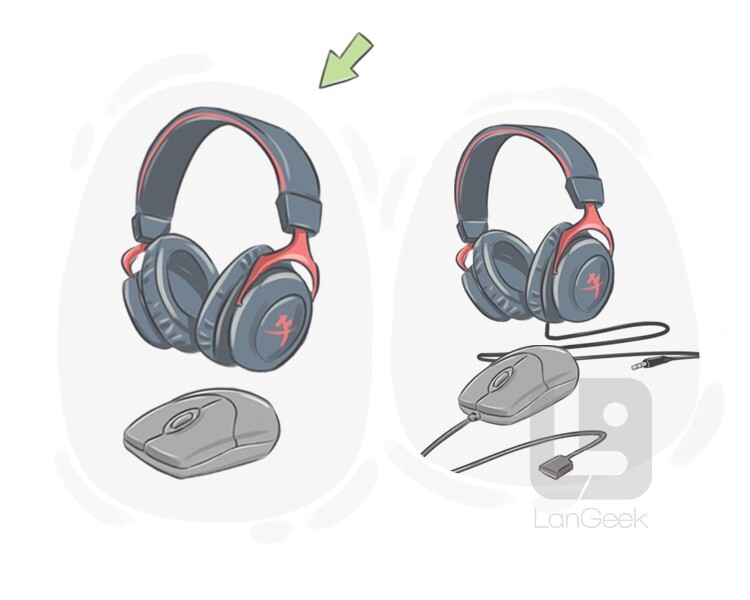
The rise of cordless technology has become a defining feature of modern life, revolutionizing the way we interact with devices and each other. With advancements in wireless innovations, from Bluetooth headphones to smart home appliances, we are witnessing an unprecedented level of convenience and functionality. These technologies eliminate the clutter of wires and allow for greater mobility, making it easier to integrate gadgets into our daily routines. As more households adopt these innovations, the demand for cordless solutions is only expected to grow, leading to further enhancements in device performance and user experience.
Wireless connectivity is continually evolving, with technologies like Wi-Fi 6 and 5G paving the way for faster and more reliable connections. This has significant implications for both personal and professional environments, facilitating everything from seamless video conferencing to instant access to information on-the-go. Moreover, as we transition into an increasingly digital world, cordless technology plays a crucial role in enhancing productivity and connectivity. It's clear that the embrace of wireless innovations is not just a trend; it's a permanent shift that reflects our growing need for efficiency and freedom in our everyday lives.
Counter-Strike is a popular team-based first-person shooter game that has captivated players worldwide since its release. With its strategic gameplay and emphasis on teamwork, it has become a staple in the esports community. Players can enhance their gaming experience with various peripherals and accessories; for instance, check out the Top 10 iphone 17 accessories to take your mobile gaming to the next level.
Is Cordless the Future? Exploring the Benefits and Drawbacks of a Wireless Lifestyle
The convenience of a cordless lifestyle is becoming increasingly evident in today’s fast-paced world, where mobility and efficiency are paramount. From cordless vacuum cleaners to wireless earbuds, the shift towards wireless technology has transformed how we engage with everyday tasks. Key benefits of adopting a cordless lifestyle include enhanced portability, reduced clutter, and greater flexibility in how we use our devices. With advancements in battery technology, many devices now boast impressive runtimes, allowing users to enjoy seamless operation without being tethered to a power source.
However, the transition to cordless solutions isn’t without its drawbacks. One significant concern is the reliance on battery life; if a device runs out of power, it can disrupt productivity significantly. Moreover, the potential for diminished performance, such as weaker internet signals in wireless routers or lower suction power in cordless vacuums, can lead some to question whether the trade-offs are worthwhile. On balance, as technology continues to evolve, understanding the benefits and drawbacks of living cordlessly is essential for making informed decisions about our gadgets and appliances.
Unlocking the Power of Wireless: How Cordless Devices are Changing Home and Work Environments
The advancement of wireless technology has significantly transformed both home and work environments, offering unparalleled convenience and flexibility. Cordless devices, such as smartphones, laptops, and smart home appliances, have become essential tools, enabling users to stay connected without the constraints of cables. This evolution not only enhances productivity but also promotes a more organized and aesthetically pleasing space. For instance, wireless printers and headphones eliminate clutter, allowing for a seamless integration of technology into daily life.
Moreover, the shift towards cordless devices is paving the way for innovation in various applications. In the workplace, employees can collaborate remotely without being tethered to a specific location, leading to more dynamic and efficient workflows. At home, IoT-enabled wireless gadgets create a smart ecosystem that optimizes energy usage and enhances security. As wireless technologies continue to improve, we can expect even greater integration into our lives, fundamentally changing how we interact with our environments.