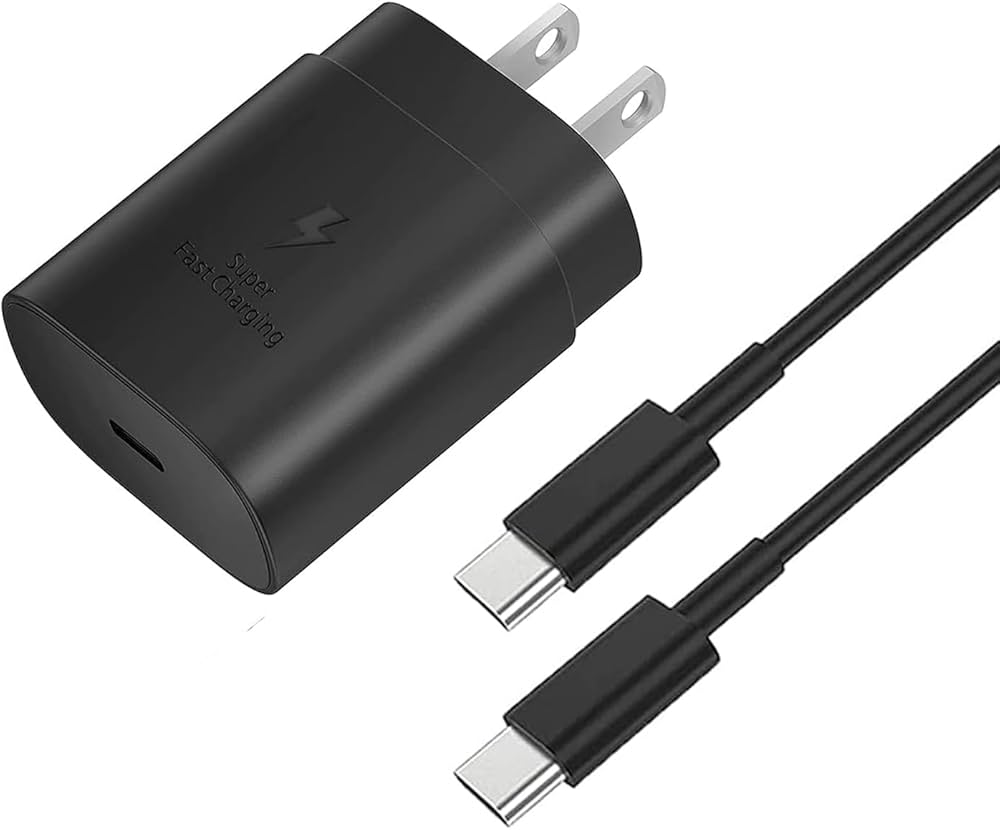
Unleashing Speed: How Fast Charging Technology Works
Fast charging technology revolutionizes the way we power our devices, enabling users to charge their smartphones, tablets, and electric vehicles in a fraction of the time compared to traditional charging methods. At its core, this technology relies on a combination of higher voltage and current, allowing a rapid influx of energy into the battery. Most fast chargers utilize smart charging protocols that communicate with the device to optimize the charging speed while managing heat and preserving battery health. As a result, many fast charging systems can achieve up to 80% charge in under 30 minutes, making it an indispensable feature for our increasingly on-the-go lifestyles.
Understanding how fast charging works involves recognizing several key components. First, charge controllers in modern batteries help regulate the power being drawn, ensuring a safe and efficient charging process. Additionally, USB Power Delivery (USB PD) and Qualcomm's Quick Charge are two leading standards that facilitate fast charging across various devices. These technologies adjust the voltage and current to match the battery's capability, significantly improving charging efficiency. However, it’s essential to use compatible chargers and cables to fully benefit from this innovation, as mismatched components can lead to decreased performance or, worse, battery damage.
Counter-Strike is a highly popular first-person shooter game that emphasizes teamwork, strategy, and skills. Players participate in various game modes, often pitting terrorists against counter-terrorists. For players looking to enhance their gaming experience, ensuring your devices are well-equipped is essential. Check out the Top 10 Wireless Chargers for Pixel Devices to keep your gear powered up during long gaming sessions.
The Evolution of Charging: From Standard to Supercharge
The journey of charging technology has been nothing short of revolutionary. In the early days, charging solutions were often limited to standard wall sockets that delivered a mere trickle of power. These outlets, while functional, greatly hampered the speed at which devices could be charged, leading to frustration among users who relied on their gadgets daily. As technology progressed, the introduction of fast charging methods began to reshape the landscape. Today, we witness the emergence of supercharging systems, capable of delivering a significantly higher current, allowing devices to regain battery life in mere minutes instead of hours.
One of the most notable advancements in this realm has been the development of rapid charging protocols such as Quick Charge and USB Power Delivery. These protocols utilize advanced technology to communicate between the charger and device, adjusting voltage and current levels for optimal charging efficiency. This evolution not only enhances user experience but also aligns with the growing demands of our fast-paced digital lives. As we look ahead, it is evident that charging technology will continue to evolve, with innovations such as wireless charging and even energy transfer through ambient sources, further driving the quest for seamless power delivery in our increasingly connected world.
Is Your Device Ready for the Future? Understanding Fast Charging Compatibility
As technology continues to advance, the question arises: Is your device ready for the future? With the rapid evolution of fast charging technologies, understanding fast charging compatibility has never been more crucial. Devices equipped with fast charging capabilities can significantly reduce the time it takes to power up your smartphone, tablet, or laptop, making it essential to know if your current device supports these features. Fast charging standards, such as Qualcomm Quick Charge, USB Power Delivery, and others, vary from one manufacturer to another, impacting how well your device can keep up with the demands of modern use.
To determine if your device is ready for the future, check the specifications provided by the manufacturer. Look for key indicators such as:
- Supported Fast Charging Standards: Ensure your device is compatible with popular fast charging protocols.
- Charger Specifications: Use chargers that meet or exceed the recommended wattage for optimal charging speeds.
- Cable Quality: Invest in high-quality cables that are designed to handle increased power delivery.