How Fast Charging Technology is Revolutionizing Our Daily Lives
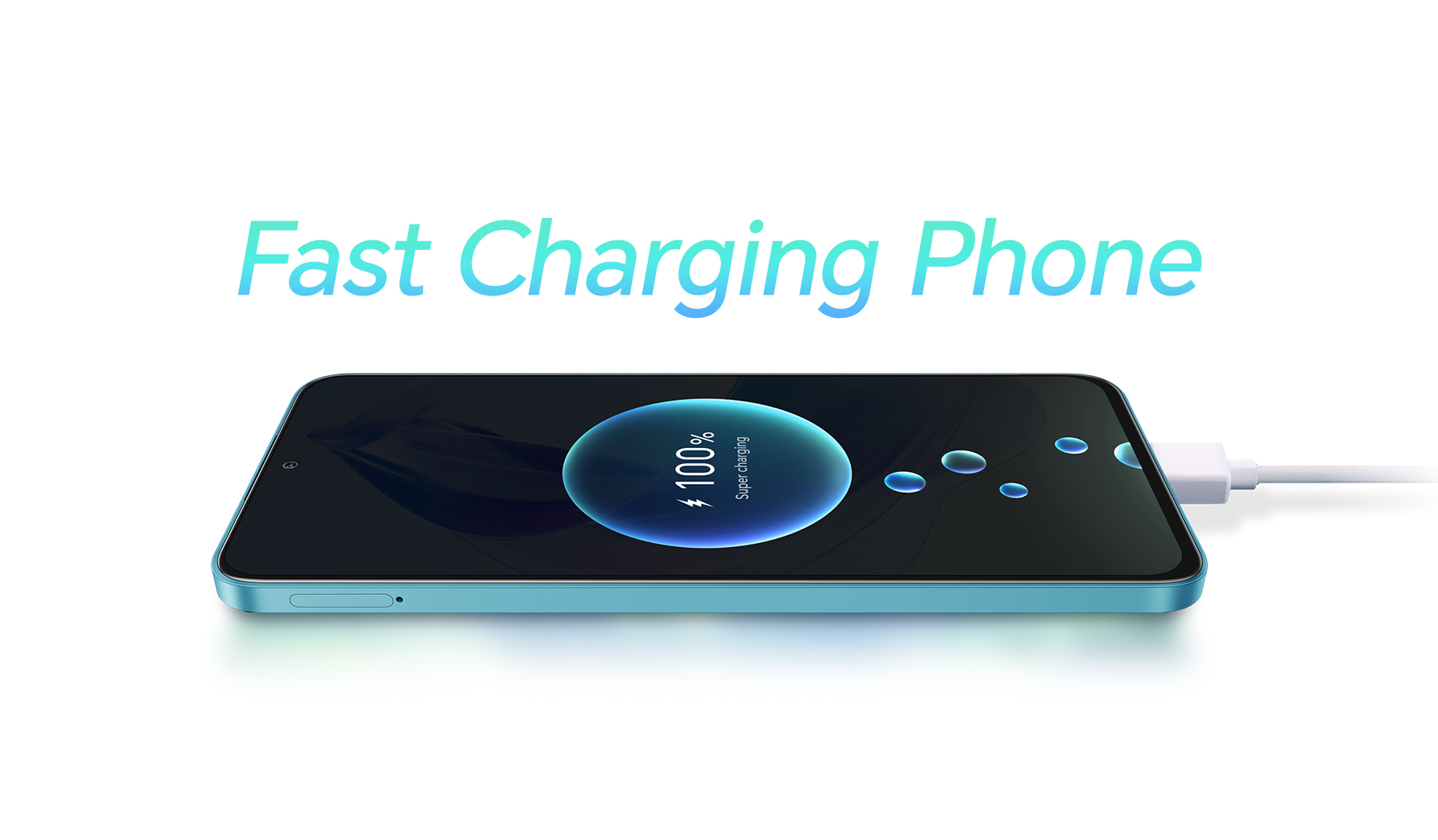
The advent of fast charging technology has significantly transformed how we interact with our devices on a daily basis. With the ability to charge smartphones, tablets, and laptops at lightning speeds, users can now spend less time tethered to a wall outlet and more time being productive or enjoying their favorite activities. As everyday tasks become increasingly dependent on technology, the need for quick power boosts is more crucial than ever. This technology has not only enhanced convenience but has also improved the overall user experience, allowing individuals to stay connected and informed at all times.
One of the most remarkable aspects of fast charging technology is its ability to support a variety of devices, from personal electronics to electric vehicles. As manufacturers continue to innovate, we can expect advancements in charging speeds and efficiencies. For instance, many new smartphones can achieve a 50% charge in under 30 minutes, proving that speed does not compromise performance. As this technology becomes more integrated into our daily lives, we can look forward to a future where we can power up our devices in a fraction of the time, ultimately leading to enhanced productivity and less downtime.
When it comes to convenience and efficiency, the Top 10 Charging Stations with Cables stand out as the best options for charging multiple devices simultaneously. These stations provide a range of features, including fast charging and multiple ports, making them ideal for home, office, or travel use. With the right charging station, you can keep your devices powered up and ready to go without the clutter of tangled cables.
Understanding the Science Behind Fast Charging: Myths vs. Facts
Fast charging has become a buzzword in the smartphone and electric vehicle industries, but understanding the science behind fast charging involves debunking several common myths. One prevalent misconception is that fast charging can harm battery life. In reality, most modern devices are designed with advanced battery management systems that regulate charging speeds, ensuring that the battery can handle rapid energy flow without damage. According to numerous studies, when done correctly, faster charging can be just as safe as standard charging methods.
Another myth is that fast charging works universally across all devices. However, the truth is that the effectiveness of fast charging technologies varies based on the device's compatibility and the charger used. Features such as Power Delivery and Quick Charge are designed to work with specific hardware and protocols, so using a fast charger not designed for your device may result in slower charging speeds or even incompatibility. Understanding these factors is essential for consumers who want to maximize their charging efficiency while protecting their devices.
Is Fast Charging Safe? Debunking Common Concerns
Fast charging has become a standard feature in modern devices, from smartphones to electric vehicles, but many users are concerned about its safety. One common worry is that fast charging can lead to overheating, which may damage the battery or pose a safety hazard. However, manufacturers have implemented various safety measures, such as battery management systems and temperature regulation, to minimize these risks. As a result, when used with compatible chargers and devices, fast charging is generally considered safe and reliable.
Another prevalent myth is that fast charging significantly shortens battery life. While it's true that rapid charging generates more heat, the impact on overall battery longevity has been shown to be minimal when appropriate technology is used. In fact, many devices are designed with intelligent charging algorithms that optimize the charging speed while protecting the battery’s health. To ensure the best performance and lifespan of your battery, it's advisable to use the manufacturer-recommended chargers and follow proper charging practices.